
2 hr
Jodhpur Blue City Heritage Walking Tour
Discover the enchanting azure lanes of Jodhpur's old quarter with a local guide and hotel transfers
Reserve
Hand-picked by our editors — only the best 5 experiences from 42 reviewed.
Verified partners for every tour, free cancellation where available, and instant confirmation on every booking.
2 hr
Discover the enchanting azure lanes of Jodhpur's old quarter with a local guide and hotel transfers
Reserve
2 hr
Wander the azure alleyways of Jodhpur's historic old quarter with a passionate local guide
Reserve
5 hr
Explore Jodhpur's iconic fort, ancient stepwell, and azure streets with a local guide on this full-day private tour.
ReservePrices from verified partners. Availability updates in real time at checkout. Free cancellation policies apply where shown.
The landmarks, rooms, and views travelers on this tour remember — all visible on a single visit.
Features intricate mirror work embedded in the walls, creating a shimmering effect common in Rajput palaces.
The 'Flower Palace' is known for its gold-leaf ceiling and vibrant stained glass windows.
The last ruler's private residence, showcasing unique colonial-era furniture and wall paintings.
Known as the Pearl Palace, this room was used for royal audiences and features high-quality lime plaster.
Houses a collection of ornate elephant seats used by the Marwar royalty during processions.
They complement each other; most visitors who do both call the architectural magnitude of the fort more impressive, while the jodhpur blue city walking tour offers a deeper cultural connection. These jodhpur blue city walking tour tours provide distinct perspectives on local life and Jodhpur landmarks.
| Feature | Top pick Mehrangarh Fort | Blue City Walking Tour |
|---|---|---|
Core Focus |
Architectural heritage | Community and street life |
Primary Activity |
Self-guided museum exploration | Guided local interaction |
Pace |
Variable self-directed | Fixed group tempo |
Physical Exertion |
High due to inclines | Moderate street walking |
Historical Context |
Dynastic royal legacy | Daily neighborhood traditions |
Photography Style |
Panoramic rampart vistas | Candid street portraits |
| See tickets → |
Verdict: Choose the fort for expansive sandstone vistas and museum collections, or select a jodhpur blue city walking tour tour to navigate the labyrinthine alleys and indigo-washed homes for an authentic perspective with jodhpur blue city walking tour tickets.
Choose your ticket, select your date, and reserve in under two minutes. Secure checkout handled by our verified partner.
Instant confirmation by email, with a mobile voucher you can save offline. No printing, no queuing at a collection desk.
Arrive at the entrance, show your voucher on your phone, and walk in. Most tickets include priority or skip-the-line access.
Practical details for your visit straight from our verified partners — hours, access, rules, and how to get there.
The Fort, Sodagaran Mohalla, Jodhpur
The primary entrance gate where jodhpur blue city walking tour groups assemble.
The most direct way to reach the main fort parking area from the city center.
Recommended route through the blue city lanes for a scenic ascent to the fort.
Modest dress is recommended while exploring the Mehrangarh Fort. Ensure shoulders and knees are covered, especially when visiting the sacred temple areas within the complex.
Standard security screening occurs at the entrance. Avoid bringing large backpacks or bulky camera bags, as storage facilities are not provided for the jodhpur blue city walking tour.
Handheld photography is permitted in most open areas of the Mehrangarh Fort. Commercial filming or the use of tripods requires prior written permission from the museum trust.
While the Mehrangarh Fort offers partial wheelchair access to its museum galleries, the historic nature of the architecture includes steep, uneven stone pathways. Mobility assistance may be limited in certain palace rooms.
The fort is suitable for families, though parents should supervise children on the open ramparts. The jodhpur blue city walking tour route through the fort involves significant incline and walking.
Cafés are available within the Mehrangarh Fort premises for snacks and refreshments. Outside food is typically discouraged, but carrying a personal water bottle is vital for the heat.
The Fort, Sodagaran Mohalla, Jodhpur
The primary entrance gate where jodhpur blue city walking tour groups assemble.
Get directionsBest time to go, insider tips, nearby landmarks, and the cancellation fine print — flip through to skim what matters to you.
How crowds, weather, and events shift across the year.
The most temperate window for your jodhpur blue city walking tour, with pleasant daytime highs of 25°C to 30°C. Popular months for cultural events.
Small details that turn a good visit into a great one.
The 800 INR entrance fee includes an audio guide, which is the best way to interpret the jodhpur blue city walking tour context.
Non-bookable sights within a short walk — free to visit, easy to pair.
White marble memorial offering peaceful gardens and views of the fort.
Flexible, no hidden fees.
All tickets for the jodhpur blue city walking tour and museum access are non-refundable. The 800 INR admission fee remains fixed regardless of tour participation status.
Hand-picked options within walking distance — pick a district for vibe, or a specific hotel for convenience.
Boutique hotel located in the old city with direct fort views.
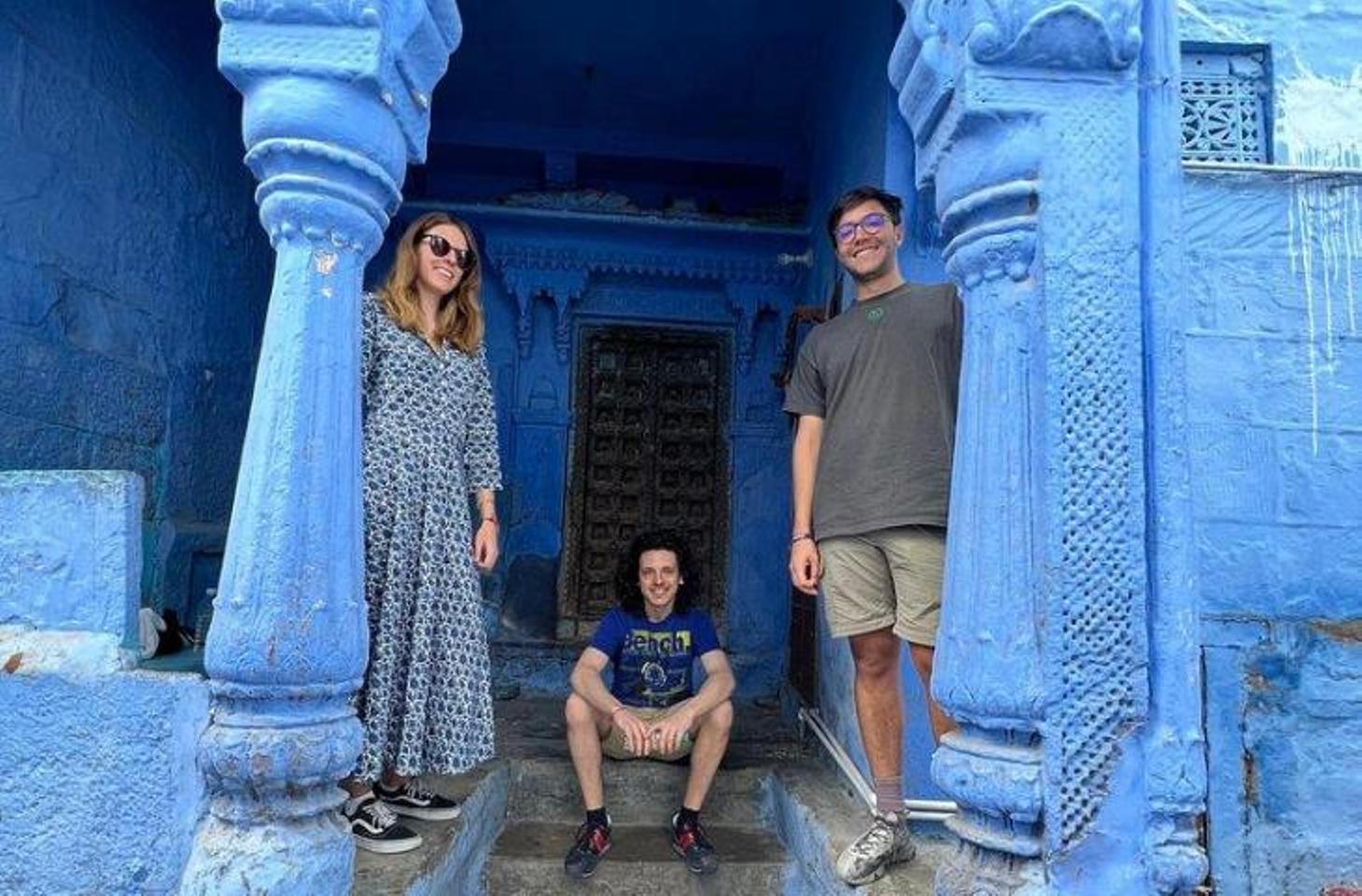
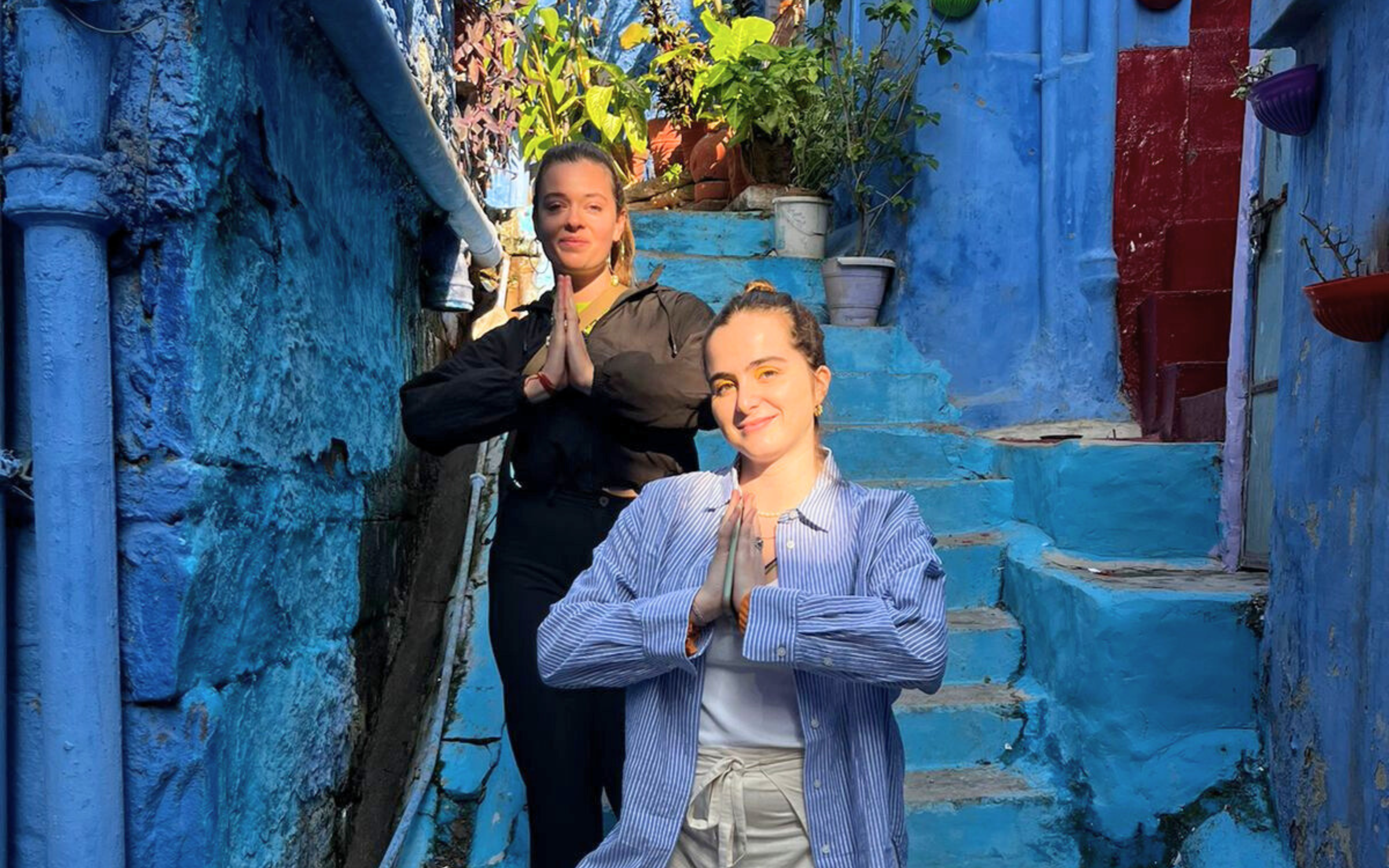
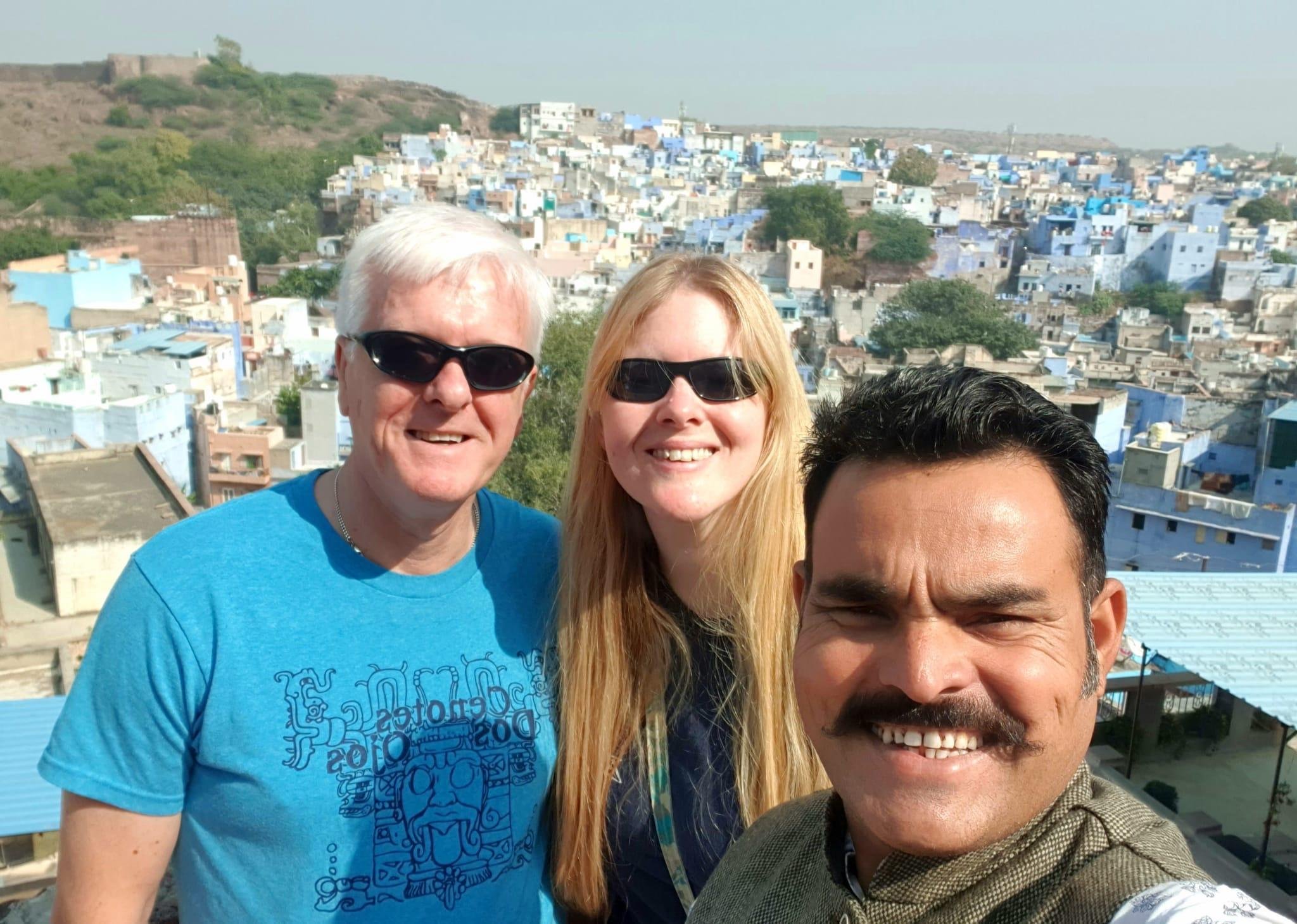
Jodhpur's indigo-washed quarter spreads below Mehrangarh Fort in a geometry older than the Mughal road grid, its blue pigment originally copper sulfate applied by Brahmin families to mark caste and repel termites in the 15th century. The custom persisted through Rajput rule and British census, becoming the city's most photographed export five centuries later. Today the blue city comprises roughly 4,000 structures across eleven mohallas, with the deepest saturation found in Navchokiya, Makrana Mohalla, and the lanes radiating from Sardar Market. A Jodhpur blue city walking tour departs from the ramparts of Mehrangarh and descends through Rao Jodha Desert Rock Park into the Brahmin residential core, where limestone façades wear annual coats of vivid blue limewash. The route threads stepwells, Jain temples with latticed marble screens, and spice merchants' storerooms unchanged since the 1920s. Guides interpret architectural details invisible to unaccompanied visitors: carved lintels marking merchant guilds, threshold tiles denoting wedding dates, rooftop shrines oriented to the fort's Chamunda Mataji temple. The walk concludes at Sardar Market's 1912 clock tower, where the blue recedes into sandstone arcades. Mehrangarh Fort anchors the tour both geographically and historically. Rao Jodha founded Jodhpur in 1459 after relocating his capital from Mandore, and the fort's 120-meter escarpment determined the Old City's radial layout. The blue city walking tour tickets often bundle fort admission, allowing visitors to trace the descent from Chamunda Mataji temple to the residential mohallas below, connecting royal history with vernacular architecture. The fort's seven gates and fifteen palaces remain the visual spine of every blue city walk, their red sandstone silhouette framing the indigo streetscape at every turn. Jodhpur blue city walking tour routes vary by operator but follow a consistent arc: fort overlook, stepwell descent, residential immersion, bazaar terminus. Morning departures between 09:00 and 10:00 capture the clearest light on blue façades before midday glare flattens contrast. The walk covers two to three kilometers over two to three hours, with elevation loss of approximately 100 meters from fort plateau to market level. Guides speak English, Hindi, and regional dialects, and group sizes cap at twelve to preserve lane access in the narrowest mohallas.
"The blue pigment was copper sulfate applied by Brahmin families to mark caste and repel termites in the 15th century."
A step-by-step walkthrough of the visit — what you'll see, how long each stage takes, and the details that matter.
You begin at Mehrangarh Fort's eastern viewpoint, where the blue city unfolds in a staggered grid 120 meters below. Your guide gestures toward Navchokiya and Makrana Mohalla, naming the eleven mohallas you'll navigate over the next two and a half hours. The descent starts through Rao Jodha Desert Rock Park, a scrubland corridor that transitions from sandstone to residential limestone within ten minutes. You enter the first blue lane at Navchokiya, where the walls rise three stories in unbroken indigo. Your guide pauses at a carved lintel, explaining the guild mark, then at a threshold tile bearing a 1987 wedding date. You pass a stepwell with mineral deposits staining its lower steps, then a Jain temple where marble screens filter midday sun into geometric shadows. The route narrows to single-file width in places, and you sidestep motorbikes and schoolchildren on lunch break. At Sardar Market you emerge into open air and the scent of cumin and turmeric from spice stalls. The 1912 clock tower marks the walk's terminus, its sandstone arcade a tonal shift from the indigo quarter behind you. Your guide offers a final overlook back toward Mehrangarh, where the fort's silhouette frames the route you've just descended.
The Mehrangarh Fort is open daily from 09:00–17:00.
Yes, the 800 INR international admission fee for the Mehrangarh Fort includes access to the museum and the audio guide.
Tickets for your jodhpur blue city walking tour can be booked via the official Mehrangarh Museum Trust website to skip queues.
Yes, non-commercial handheld photography is permitted at the Mehrangarh Fort.
Modest clothing covering shoulders and knees is recommended for the jodhpur blue city walking tour.
Access is partial, with limitations due to the historic stone architecture of the Mehrangarh Fort.
We recommend arriving during the 09:00–11:00 window to avoid the peak heat of the day.
Yes, children are welcome on the jodhpur blue city walking tour, though they must remain supervised near ramparts.
Prohibited items include drones, professional tripods, and any weapons or flammable materials.